.png)
How Much Do Card Payments Cost for a UK Restaurant?
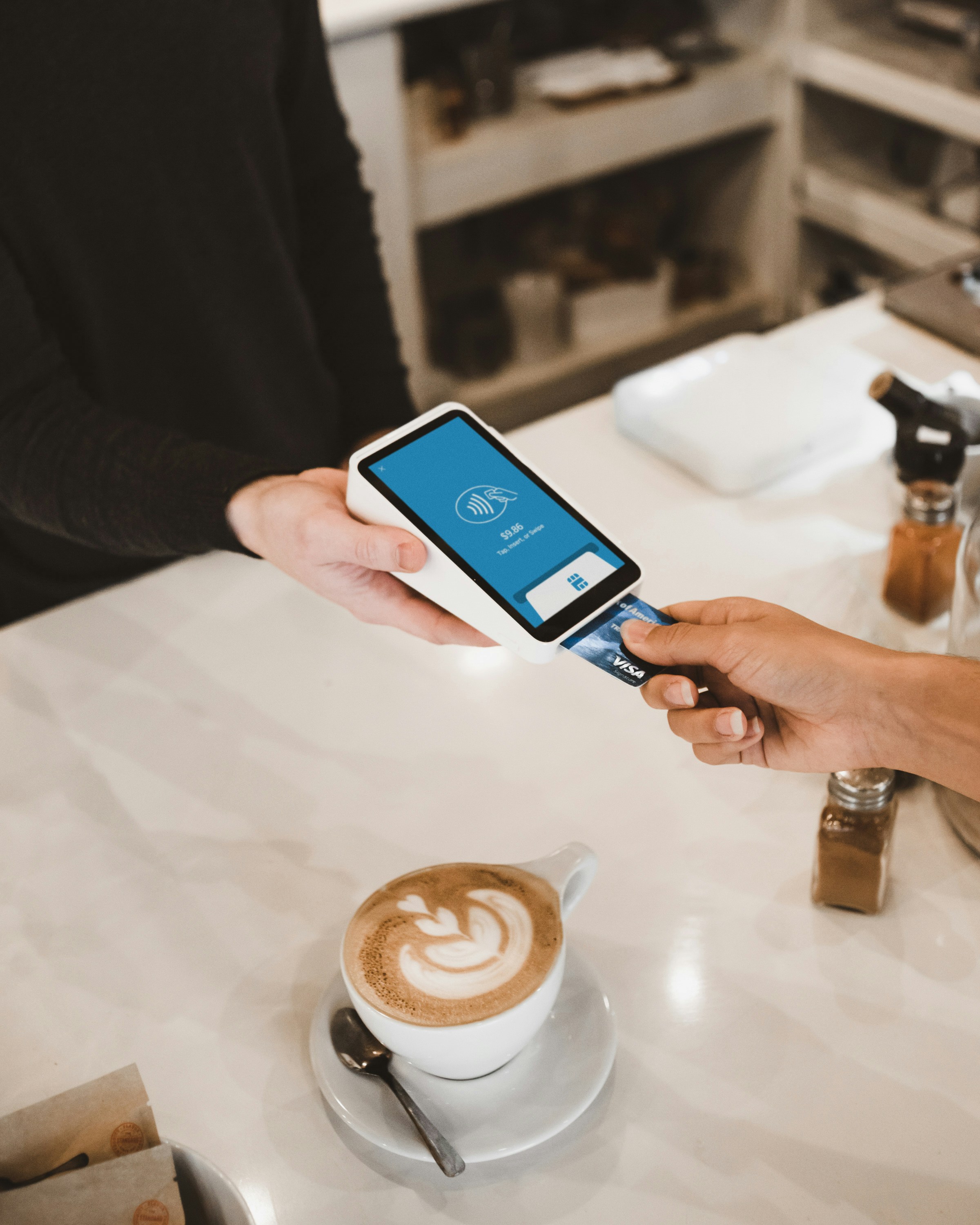
Every time a customer taps their card, your restaurant pays a small fee. Across thousands of covers a year, those fees add up to one of your biggest overheads after staff, rent and stock. Here's what you're actually paying for, and how to pay less.
What makes up a card payment fee?
Each transaction fee has three parts. Interchange is paid to the customer's bank and is capped in the UK at 0.2% for consumer debit cards and 0.3% for consumer credit cards. Scheme fees are paid to the card networks, such as Visa and Mastercard. The acquirer or provider margin is what your payment provider adds on top, and it's where prices vary most between providers.
Other costs to look for
Beyond transaction fees, check your contract for terminal rental, monthly minimum charges, PCI compliance fees, chargeback fees and early exit penalties. A low headline rate can hide high fixed charges, so always compare your total monthly cost, not just the percentage.
Why restaurants often overpay
Many hospitality businesses are on blended rates that charge the same percentage for every card, even though debit cards cost far less to process. Others signed contracts years ago and have never reviewed them while their card volume grew.
How to reduce your costs
Ask your provider for a breakdown of interchange, scheme fees and margin, known as interchange++ pricing. Compare your last three statements against a new quote based on your real card mix. Check whether your EPOS integrates directly with your payments to cut admin and reconciliation time. And review your contract every year as your volume grows.
How Moola helps
Moola has direct partnerships with Fiserv, Worldpay and Adyen, giving restaurants, cafés and bars access to enterprise-level rates without the corporate bloat. Most businesses can go live within 24 hours of approval, with support from real people 24/7.
Want to know what you could save? Get a free quote from Moola today.

Ready to get Started?