.png)
What Are Integrated Payments and Why Do They Matter for Hospitality?
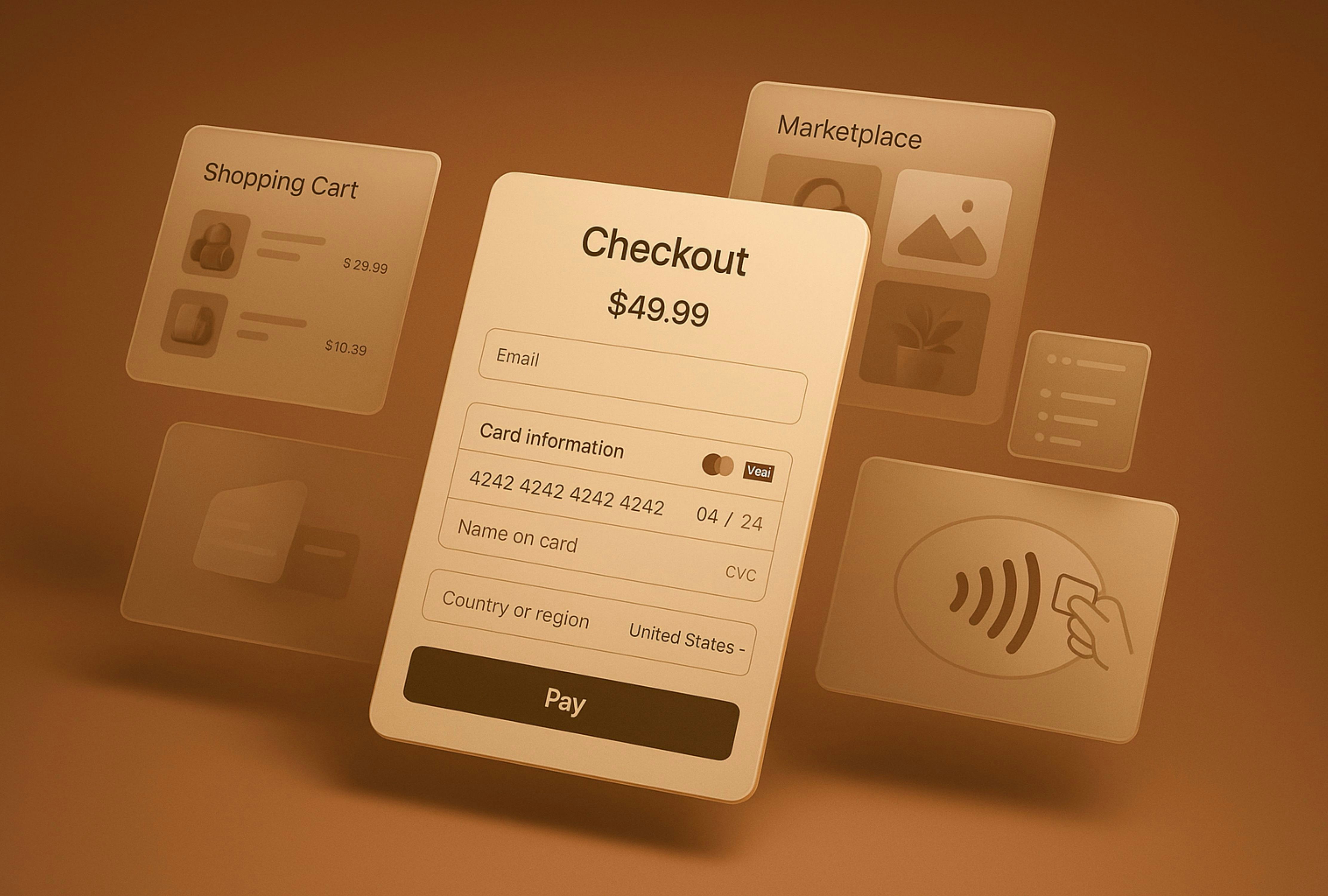
In a busy restaurant or bar, every second at the till counts. If your staff are keying amounts into a separate card machine, you're losing time, risking mistakes and making end-of-day reconciliation harder than it needs to be. Integrated payments fix that.
What are integrated payments?
Integrated payments connect your card terminal directly to your EPOS or booking system. When a bill is ready, the amount is sent straight to the card machine. The customer pays, and the payment is automatically recorded against the right order or table. There's no re-keying and no separate system to check.
The problem with standalone card machines
When your payments and EPOS don't talk to each other, staff have to type in every amount by hand. That leads to keying errors, overcharges and undercharges, longer queues at busy times, and hours spent matching card receipts to sales at the end of each day.
Benefits of integrated payments
Faster service, because amounts go straight to the terminal. Fewer mistakes, because nobody retypes figures. Easier reconciliation, because every payment is matched to its order automatically. Better reporting, because sales, tips and payment data sit in one place. And a smoother experience for customers who just want to pay and go.
What to check before you switch
Make sure your payment provider integrates with the EPOS, booking or property management system you already use. Ask how tips, split bills and refunds are handled. And check how quickly payments settle into your bank account.
How Moola helps
Moola integrates with a wide range of UK EPOS and software providers, so you can connect payments to the systems you already use without disruption to your business. Talk to Moola about integrated payments today.

Ready to get Started?